VELANO child car seats — safety chosen by height and weight
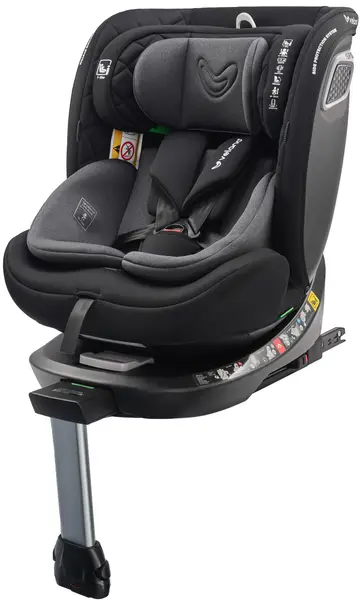
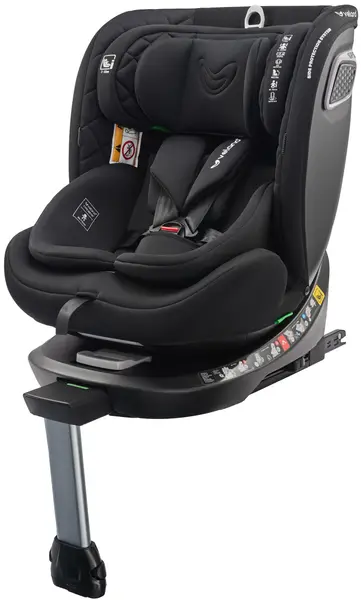
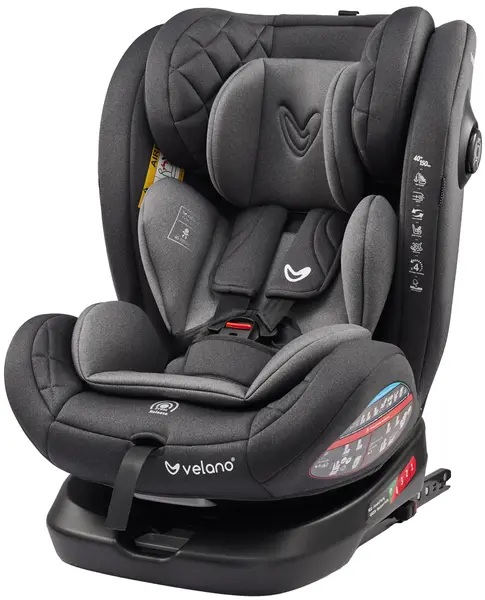
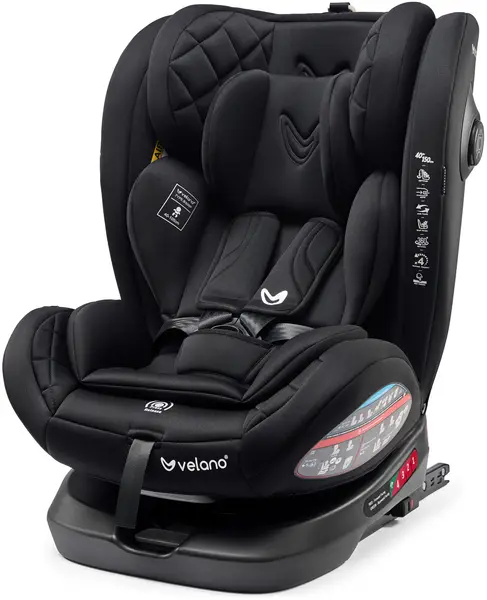
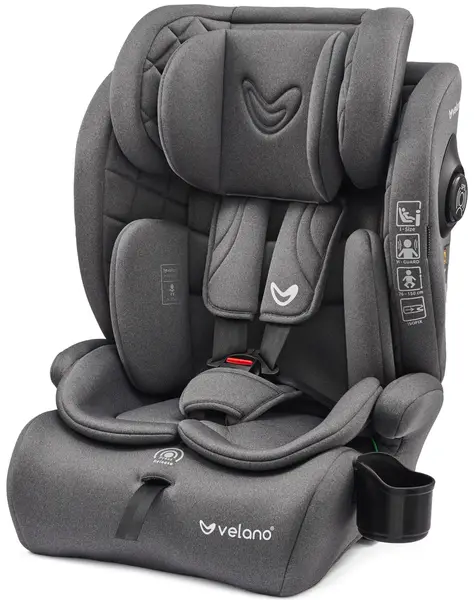
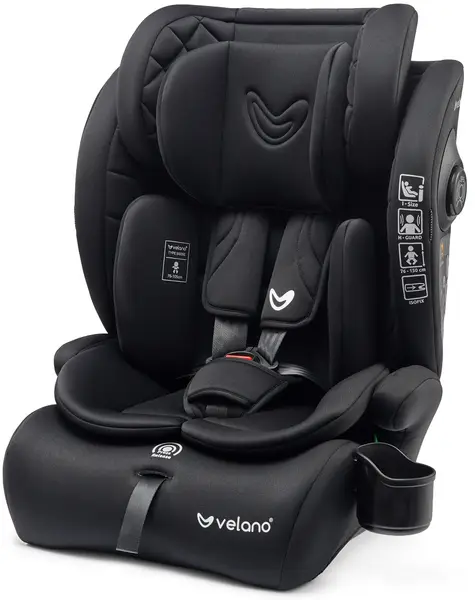
VELANO child car seats are matched to a child's height and weight rather than age — that is how the modern safety standard works, since children of the same age can differ markedly in their proportions. The range includes i-Size models (UN R129 regulation) for newborns and all-in-one seats covering 40–150 cm, so a single seat serves from the hospital trip to riding without a booster and saves you from buying a new seat every year. 360° rotating models make loading your child easier, spare your back and let you keep them rear-facing for longer, exactly as transport rules require. Before you buy a car seat, read our detailed guide to choosing a car seat and our breakdown of the i-Size R129 standard, where we explain the difference between groups and orientation.
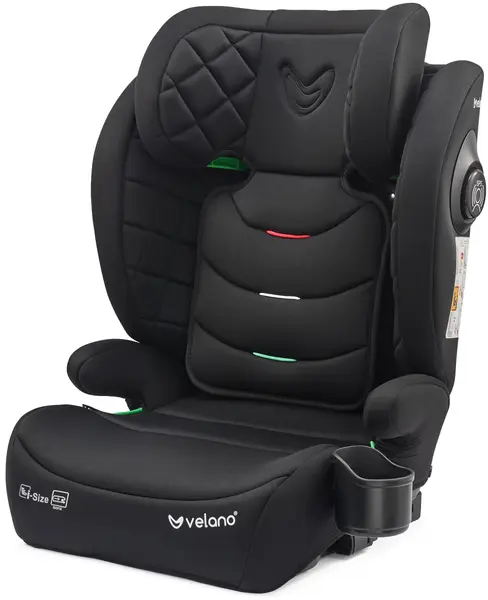
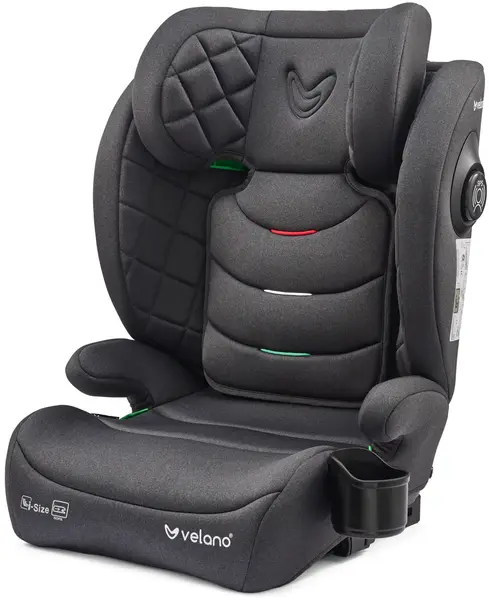
Almost every model installs via the ISOFIX system with a support leg or Top Tether strap — the most reliable, fool-proof way to fit a seat, eliminating both installation mistakes and any play in the base. We show how to connect it correctly and check the tension, step by step, in our ISOFIX installation guide, and gather the current road rules in our article on the rules for transporting children. Once your child outgrows the seat by height, take a look at our boosters, which raise them up to the car's own belt. We supply both individual buyers and retailers — wholesale is available too, with ready-made content.
FAQ
Until what age does a child need a car seat?
A car seat is mandatory until age 12 or 150 cm in height — until your child reaches one of these thresholds, they must travel in a seat or booster. Go by height and weight rather than age: once a child outgrows the seat by height, they move to a booster, which holds them under the car's own seat belt.
What does i-Size mean and how is it different from R44?
i-Size (the UN R129 standard) is the newer safety standard that matches the seat to your child's height in centimetres, rather than by weight like the older R44. i-Size requires ISOFIX, a side-impact crash test and longer rear-facing travel (at least to 15 months). This makes i-Size seats safer and easier to install correctly.
Is ISOFIX mandatory in a car seat?
ISOFIX is not required by law, but it is the most reliable way to fit a seat: the seat locks rigidly to the car body, eliminating play and the common mistakes made with a seat-belt installation. i-Size seats do require ISOFIX. If your car has no ISOFIX anchor points, choose universal models that secure with the car's own seat belt.
At what age and weight can a child move to a booster?
A child can move to a booster at around 6 years, from 22 kg and 125 cm tall — any earlier, the car's belt sits across the neck and stomach and is dangerous in a crash. The key sign of readiness is that your child sits confidently for the whole trip without slumping. Before that, a full car seat with a shell and its own harness is needed.
Which car seat should I choose for a newborn?
For a newborn, choose an i-Size (R129) seat starting from 40 cm that installs strictly rear-facing — this position protects a baby's developing neck in a crash. Carry-cot infant carriers and 360° rotating models make loading easier. All-in-one seats covering 40–150 cm serve from the hospital trip to age 12 with no need to buy a new seat.